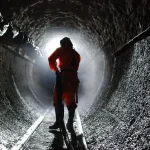


Concrete structures are designed for durability, but exposure to moisture, chemicals, and load stress can cause deterioration over time. When damage occurs, property owners often face a key question: Should they opt for concrete repair or remediation? Although both terms are often used interchangeably, they involve different approaches and outcomes.
Understanding Concrete Deterioration
Concrete is strong, but not invincible. Over time, several factors can compromise its strength and appearance. Common causes include:
- Water ingress and corrosion of reinforcement
- Chemical exposure or carbonation
- Poor construction or material quality
- Structural loading and environmental conditions
It is crucial to recognise the early signs of deterioration. Cracking, spalling, surface flaking, or exposed reinforcement are indicators that professional assessment and treatment are needed.
What Is Concrete Repair?
Concrete repair focuses on restoring the surface or structure to its original state after visible damage occurs. It’s often a localised solution that addresses specific areas rather than the root cause. Repair methods typically include patching, crack injection, and surface coatings.
Common types of concrete repair
| Repair Type | Purpose | Typical Application |
| Crack injection | Seals cracks and prevents moisture ingress | Bridges, slabs, walls |
| Patching | Restores damaged or spalled areas | Driveways, car parks, walls |
| Surface coating | Adds a protective barrier | Industrial floors, exposed surfaces |
| Grouting | Fills voids or stabilises structures | Foundations, columns, tunnels |
Repairs are often a short-to-medium-term solution. They restore appearance and function but may not always prevent further deterioration if the underlying cause remains unresolved.
What Is Concrete Remediation?
Concrete remediation is a comprehensive process that addresses the visible damage and the root cause of the problem. Unlike repair, remediation involves assessment, diagnosis, and applying specialised techniques to restore the structural integrity of concrete.
Remediation may include:
- Identifying causes of corrosion or structural failure
- Treating reinforcement and concrete substrate
- Applying protective coatings and waterproof membranes
- Implementing long-term preventive measures
Essentially, remediation goes beyond surface-level fixes. It ensures that concrete structures look better and perform safely and reliably for years to come.
Concrete Repair vs. Concrete Remediation: Key Differences
| Aspect | Concrete Repair | Concrete Remediation |
| Purpose | Fixes visible surface damage | Addresses both damage and the underlying cause |
| Scope | Localised, short-term | Comprehensive, long-term |
| Process | Patch or coat the damaged area | Investigate, repair, and protect the structure |
| Durability | May need repeated maintenance | Extends lifespan significantly |
| Cost | Lower initial cost | Higher initial cost but better long-term value |
| Outcome | Restores appearance and function | Restores strength, stability, and protection |
When to Choose Repair vs. Remediation
Choose concrete repair when:
- The damage is minor and localised
- Structural integrity is still sound
- You need a quick, temporary solution.
Choose concrete remediation when:
- Corrosion or structural deterioration is evident
- You want a long-term solution.
- The structure plays a critical load-bearing role.
- Preventive protection is as essential as repair.
At Silver Raven, our team assesses the condition of each structure before recommending an approach. Often, a combination of repair and remediation delivers the most effective and sustainable outcome
Why Remediation Is Often the Smarter Choice
Concrete remediation may involve a greater initial investment, but it offers superior long-term value. By addressing the cause of damage, remediation reduces the risk of recurring issues and improves durability. It can also enhance safety, reduce ongoing maintenance costs, and help meet compliance standards for commercial and industrial structures.
A proactive remediation approach is especially valuable in infrastructure, water treatment facilities, and commercial developments where reliability and performance are critical.
Benefits of Professional Concrete Remediation
- Prevents structural failure and extends service life
- Reduces corrosion and water ingress
- Improves aesthetic appearance and durability
- Enhances safety and performance
- Minimises future repair costs
Silver Raven’s concrete remediation services are designed to deliver these benefits through a systematic approach that combines material science, engineering insight, and industry best practice.
Concrete repair restores what is already damaged, while remediation ensures it stays protected into the future. Both play essential roles in maintaining the strength and functionality of concrete structures, but understanding their differences can help you choose the right approach.
For projects where longevity and safety are priorities, concrete remediation provides a complete solution that strengthens and protects the structure from the inside out.