
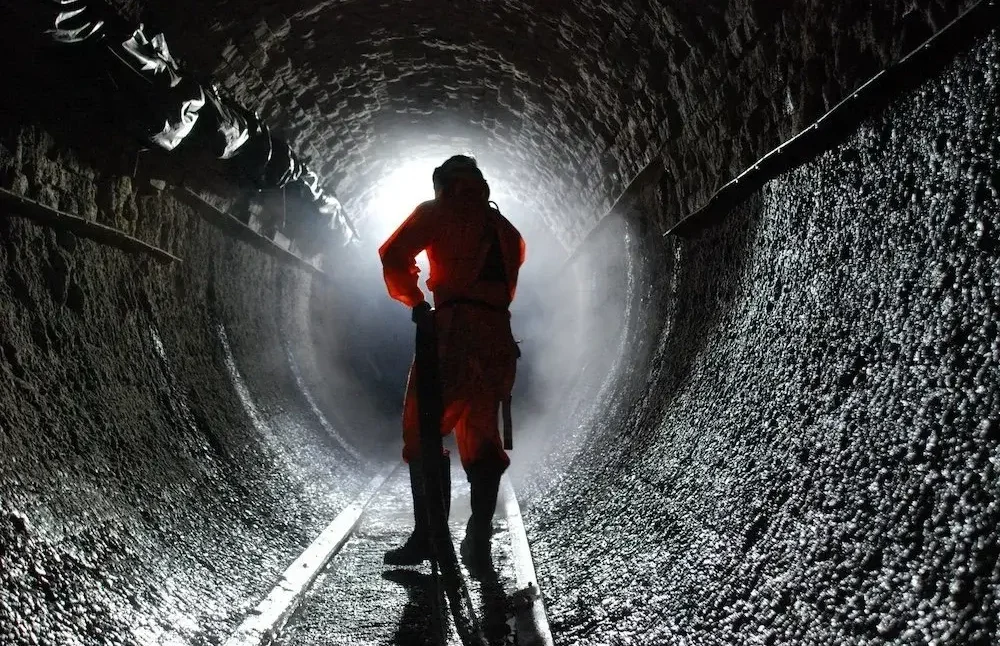
Shotcreting is a specialised construction technique that has gained prominence for its efficiency and versatility. It involves spraying concrete or mortar onto surfaces at high velocity, allowing for quick application and excellent bonding. This method is widely used in infrastructure projects, retaining walls, tunnels, and other construction works requiring strong, durable layers of concrete.
Understanding how shotcreting works, including its process, cost factors, and benefits, can help project managers, engineers, and builders make informed decisions about its application.
What Is Shotcreting?
Shotcreting, also known as sprayed concrete, is a method where concrete is pneumatically projected through a hose onto a surface. Unlike traditional casting, shotcreting allows concrete to adhere firmly to vertical or overhead surfaces without the need for formwork. This technique utilises compressed air to propel the concrete mix at high speed, ensuring compaction and bonding upon impact.
Originally developed for mining and tunnel construction, shotcreting is now used in many civil engineering projects and repair works. The adaptability of shotcreting makes it suitable for both structural and non-structural applications.
How Shotcreting Works: The Process Explained
Shotcreting involves several key steps that ensure proper application and quality outcomes:
Surface Preparation
Before the shotcrete is applied, the substrate must be cleaned thoroughly. This involves removing loose debris, dust, and any contaminants that may affect adhesion. For repair works, deteriorated concrete is chipped away to expose a sound base.
Mixing the Shotcrete
Shotcrete can be prepared using either the dry-mix or wet-mix process:
- Dry-mix process: The dry cement and aggregates are placed in a delivery hose, and water is added at the nozzle during spraying.
- Wet-mix process: All ingredients, including water, are mixed before being pumped through the hose to the nozzle.
Spraying
Using specialised shotcreting equipment, the concrete mix is sprayed at high velocity onto the prepared surface. This rapid application compacts the material as it hits the substrate, producing a dense and strong layer.
Finishing and Curing
After spraying, the surface is finished as required, using trowels or other tools. Proper curing is essential to maintain strength and durability, involving moisture retention for several days post-application.
Quality Control
Tests are conducted to ensure the shotcrete layer meets the required specifications for strength and adhesion. These include compressive strength tests and visual inspections for uniformity and defects.
How to Ensure Quality Shotcreting Work
Achieving successful shotcreting requires adherence to best practices:
- Use experienced operators and quality materials.
- Ensure thorough surface preparation.
- Monitor mix consistency and application techniques.
- Implement proper curing and post-application inspections.
- Follow relevant Australian standards and guidelines.
Silver Raven provides expertise and advanced equipment to ensure compliance and high-quality outcomes.
Types of Shotcreting Techniques
Shotcreting is primarily divided into two types based on the mixing process:
| Shotcreting Type | Description | Typical Use Cases |
| Dry-Mix Shotcrete | Fully mixed concrete pumped to the nozzle | Small repairs, overhead surfaces |
| Wet-Mix Shotcrete | Fully mixed concrete pumped to nozzle | Large-scale projects, tunnels |
Choosing the appropriate method depends on factors like project scale, site conditions, and specific application needs.
Benefits of Shotcreting in Construction Projects
Shotcreting offers several advantages that make it a preferred choice for various construction applications:
High Strength and Durability
The compaction from high-velocity spraying results in dense concrete with excellent structural integrity. Shotcrete layers resist cracking, water ingress, and environmental damage, prolonging the lifespan of structures.
Versatility and Flexibility
Shotcreting can be applied on vertical, overhead, or irregular surfaces without the need for formwork. This flexibility allows for innovative architectural and engineering solutions.
Speed of Application
Shotcreting significantly speeds up construction, especially in complex geometries like tunnels and retaining walls, reducing overall project timelines.
Reduced Labour Costs
With minimal formwork and quicker application, shotcreting lowers labour requirements, streamlining construction workflows.
Excellent Bonding
The kinetic energy during spraying ensures superior adhesion to the substrate, which is essential in repair works and overlays.
Environmental Considerations
Shotcreting minimises material wastage and can incorporate recycled aggregates, making it a more sustainable choice in construction.
Shotcreting is a highly effective construction technique that offers a blend of speed, durability, and versatility. It’s especially valuable in modern Australian projects where time and efficiency are critical. By allowing concrete to be sprayed onto complex or hard-to-reach surfaces without the need for extensive formwork, shotcreting saves both time and resources. When properly planned and executed, it can significantly enhance a structure’s performance and longevity.
For construction professionals seeking, as well as the factors influencing cost and quality—is essential. To learn more or get advice tailored to your needs, contact us today. Discover how shotcreting can be the smart, efficient choice for your next construction project.