

When it comes to removing damaged concrete, choosing the right method can make a massive difference in cost, safety, speed and long-term performance. One modern approach gaining strong traction in Australia is hydro demolition. But how does it really compare with traditional demolition methods like jackhammering or mechanical breaking?
In this blog, we’ll break down hydro demolition vs traditional demolition, explore their advantages and disadvantages, and help you decide which one is better for your project.
If you’re involved in concrete remediation, structural repairs or infrastructure maintenance, this guide will give you the clarity you need.
What Is Hydro Demolition?
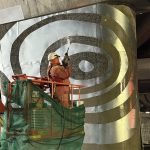
Hydro demolition is a specialised concrete removal method that uses high-pressure water jets to break and remove damaged concrete while preserving the underlying structure and reinforcement steel.
Unlike mechanical tools, hydro demolition doesn’t create harmful vibrations or microcracking. This makes it ideal for projects where structural integrity is critical.
Instead of smashing concrete, this process carefully erodes it, removing only the weakened sections and leaving sound concrete untouched.

What Is Traditional Demolition?
Traditional demolition methods rely on mechanical force using tools such as:
- Jackhammers
- Breakers
- Chisels
- Excavators with hydraulic breakers
These techniques physically break concrete apart using impact, vibration and force. While they are widely used and cost-effective for many projects, they come with certain limitations, especially for sensitive or structural repair works.

Hydro Demolition vs Traditional Demolition
Here’s how the two methods compare side by side:
| Factor | Hydro Demolition | Traditional Demolition |
|---|---|---|
| Precision | Very high | Moderate |
| Risk of structural damage | Very low | Higher |
| Dust & airborne particles | Minimal | High |
| Noise & vibration | Low | High |
| Surface bonding for repair | Excellent | Often uneven |
| Speed | Fast for complex jobs | Fast for basic jobs |
| Environmental impact | Lower | Higher |
| Cost | Higher upfront | Lower upfront |
Why Hydro Demolition Is a Game Changer
Hydro demolition is becoming the preferred method for concrete remediation and infrastructure repairs across Australia due to several substantial advantages.
No Damage to Reinforcement Steel
Mechanical demolition tools often hit and damage steel reinforcement, weakening the structure. With hydro demolition, water jets remove the concrete while leaving the steel intact. It even removes corrosion from rebar, improving bond strength for repairs. This is crucial when working on bridges, tunnels, parking structures and marine structures.
Eliminates Microcracking
Traditional demolition causes vibration and shockwaves, which often lead to microcracks in surrounding concrete. These hidden cracks can reduce long-term durability. Hydrodemolition avoids these issues entirely by removing concrete without mechanical impact, making it ideal for structural repair projects.
Superior Surface Preparation
When concrete is removed mechanically, the resulting surface is often smooth or uneven. Hydro demolition creates a rough, textured profile which improves adhesion for repair materials. This leads to longer-lasting and stronger concrete repairs. This makes it highly effective in concrete repair projects in Australia, where durability and longevity are key.
Environmentally Friendly
Hydro demolition:
- Produces less dust pollution
- Reduces silica exposure risks
- Cuts down on noise and vibration pollution
It also allows better control of debris and contaminated water, making it safer for work in urban and sensitive environments.
Advantages of Traditional Demolition
While hydro demolition offers many benefits, traditional demolition still has its place.
It is ideal when:
- Large volumes of concrete need quick removal
- Precision isn’t critical
- The structure will be completely demolished
- Budgets are tight
Traditional demolition is generally easier to mobilise, requires less specialised equipment and has lower upfront costs.
When Should You Choose Hydro Demolition?
Hydro demolition is the better option when:
- You need non-destructive demolition
- The structure must remain intact
- Repairs require strong surface bonding
- The project involves bridges, car parks or industrial floors
- You want longer life-cycle performance
It is especially useful for concrete remediation works where quality and longevity are more important than just speed.
At Silver Raven, we regularly use hydro demolition for projects where structural safety and precision are critical.