
Concrete structures across Australia are exposed to harsh environmental conditions, heavy loads and natural ageing. Over time, this can lead to cracking, spalling, corrosion and reduced structural integrity. When these issues arise, selecting the right repair method is critical. One proven solution in modern construction and remediation is Shotcreting.
At Silver Raven, we specialise in structural repair and strengthening solutions designed to meet strict Australian standards. Understanding how this application works — and when it should be used — helps asset owners and project managers make informed decisions about long-term structural performance
What Is Shotcreting?
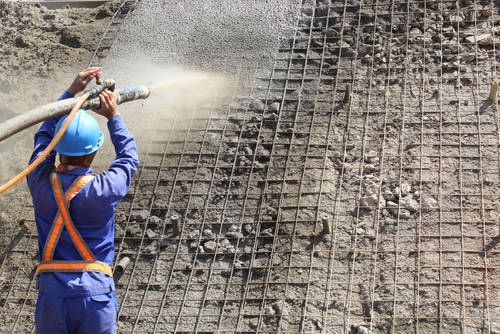
Shotcreting is a method of applying concrete or mortar pneumatically at high velocity onto a prepared surface. Instead of pouring concrete into formwork, the material is sprayed directly onto vertical, overhead or irregular substrates. Upon impact, it compacts tightly, forming a dense and durable layer.
This process allows for precise placement, particularly in areas that are difficult to access using traditional concrete methods. It is widely used in civil, commercial and infrastructure projects across Australia.
While often associated with large-scale infrastructure, it is equally effective for structural remediation and strengthening works.
How the Process Works
There are two primary techniques used in Australia: dry-mix and wet-mix application.
| Dry-Mix Method | Wet-Mix Method |
| In the dry-mix process, cement and aggregates are conveyed through a hose in dry form. Water is introduced at the nozzle during spraying. This allows the operator to adjust water content depending on site conditions. Key benefits include: – Flexibility for smaller or detailed repair areas – Reduced material waste – Greater control during application | With the wet-mix approach, the concrete is fully mixed with water before being pumped through the hose. Compressed air propels the mixture onto the surface. Key benefits include: – Faster application on large projects – Consistent mix quality – Efficient placement for structural strengthening |
The choice between these methods depends on engineering requirements, access constraints and project scale
Why It Is Effective for Structural Repairs
Structural remediation requires more than surface-level fixes. The repair must restore strength, durability and long-term performance. This application method provides several advantages over conventional techniques.
Strong Adhesion
Because the material is applied at high velocity, it compacts densely against the prepared surface, ensuring excellent bond strength.
Reduced Need for Formwork
Traditional repairs often require extensive formwork, especially for vertical or overhead elements. Sprayed concrete significantly reduces this requirement, improving efficiency and lowering labour costs.
Durability in Harsh Conditions
Australian infrastructure is frequently exposed to moisture, coastal salt air and temperature extremes. Properly applied sprayed concrete produces low permeability and improved resistance to environmental damage.
Structural Strengthening Capability
Reinforcement such as mesh or steel bars can be integrated before application, increasing load-bearing capacity and extending the lifespan of the structure.
When Is Shotcreting Used in Structural Repairs?
This method is not used in every repair scenario, but it is particularly valuable in complex or large-scale structural works.
Repairing Concrete Spalling
Spalling occurs when corrosion of reinforcement causes concrete to crack and break away. After removing damaged material and treating exposed steel, sprayed concrete can rebuild the affected area with high strength and durability.
Bridge and Infrastructure Rehabilitation
Bridges, tunnels and transport structures endure constant stress. Structural overlays applied through pneumatic placement restore integrity and extend service life without complete reconstruction.
Retaining Walls and Slope Stabilisation
In civil projects, sprayed concrete is used to stabilise embankments and rock faces. It provides structural support while protecting against erosion.
Strengthening Load-Bearing Elements
Buildings undergoing refurbishment or increased load demands may require strengthening of beams, columns or slabs. This approach allows reinforcement to be added without extensive demolition.
Marine and Coastal Structures
Saltwater environments accelerate concrete deterioration. Restorative sprayed layers provide protective cover to exposed reinforcement and damaged surfaces.
Silver Raven carefully assesses each project to determine whether this solution is the most appropriate repair strategy.
Final Thoughts
Concrete deterioration is an unavoidable reality for ageing structures, particularly in demanding Australian environments. Selecting the right repair approach determines whether the structure will perform safely and reliably into the future.
Shotcreting offers a versatile, durable and efficient solution for many structural repair scenarios. From infrastructure rehabilitation to strengthening load-bearing elements, it delivers strong bonding, adaptability and long-term resilience.
For projects requiring expert structural remediation, Silver Raven provides experienced, standards-compliant solutions designed to restore safety and extend service life.